Subir sonidos personalizados#
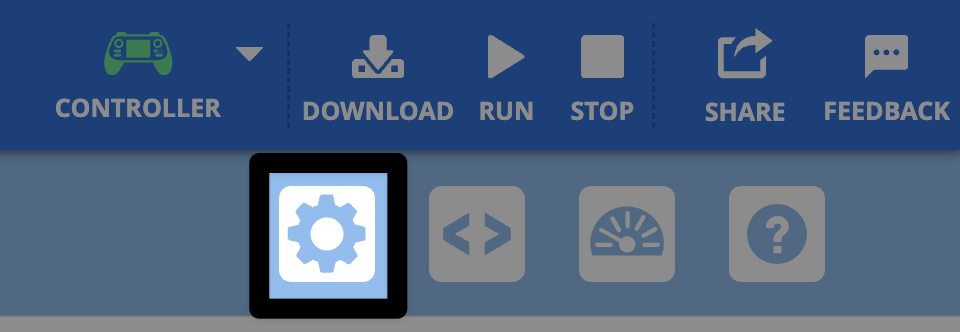
Abra el Panel de control#
Seleccione el ícono Engranaje para abrir el Panel de control.
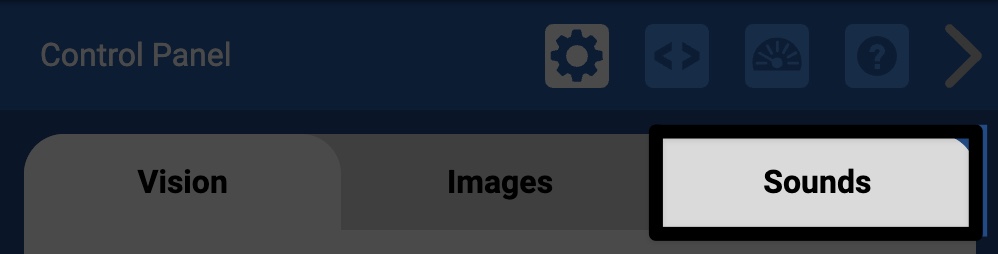
Seleccione la pestaña Sonidos#
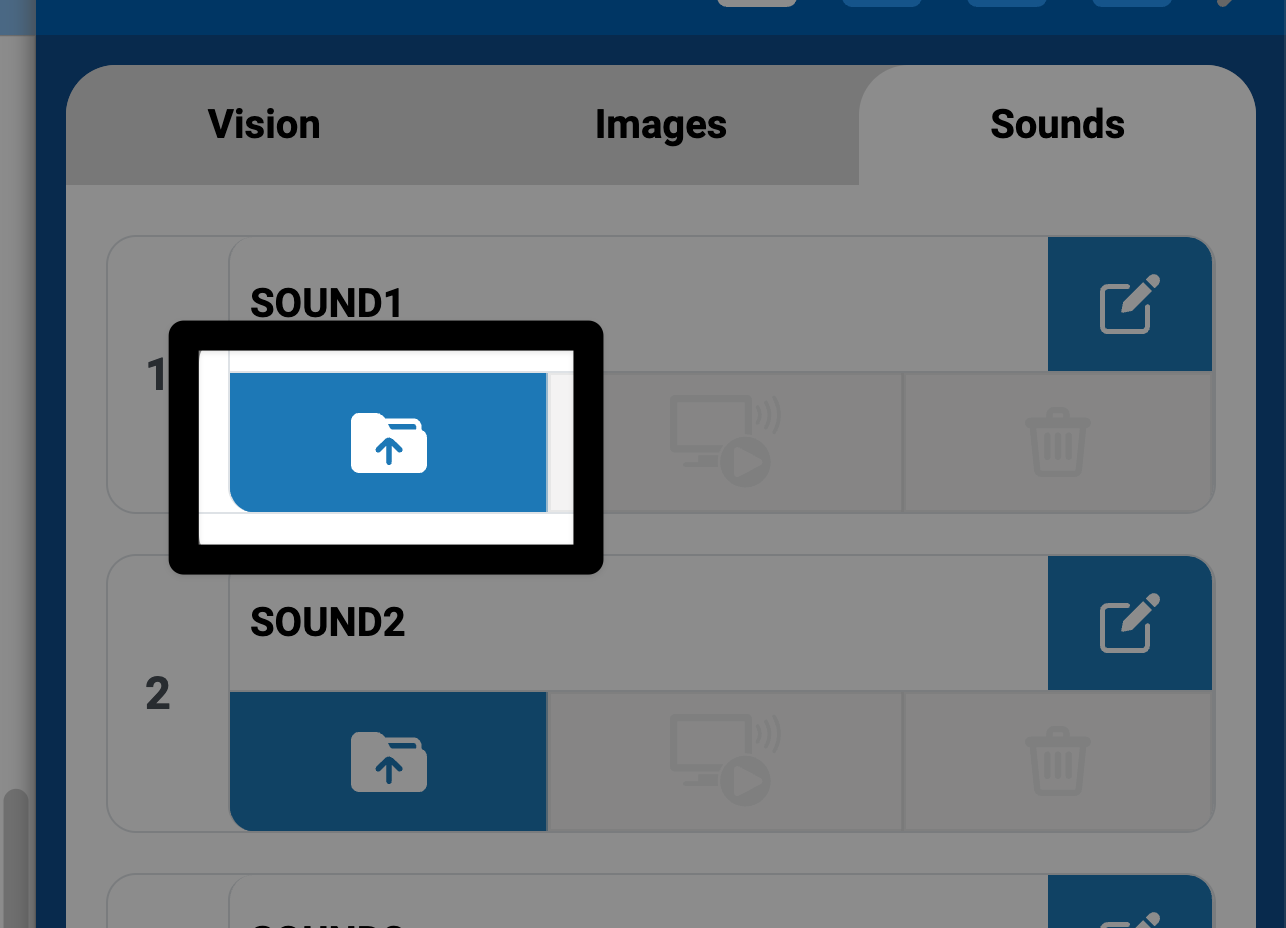
Seleccione un icono de carga#
Utilice el selector de sonido#
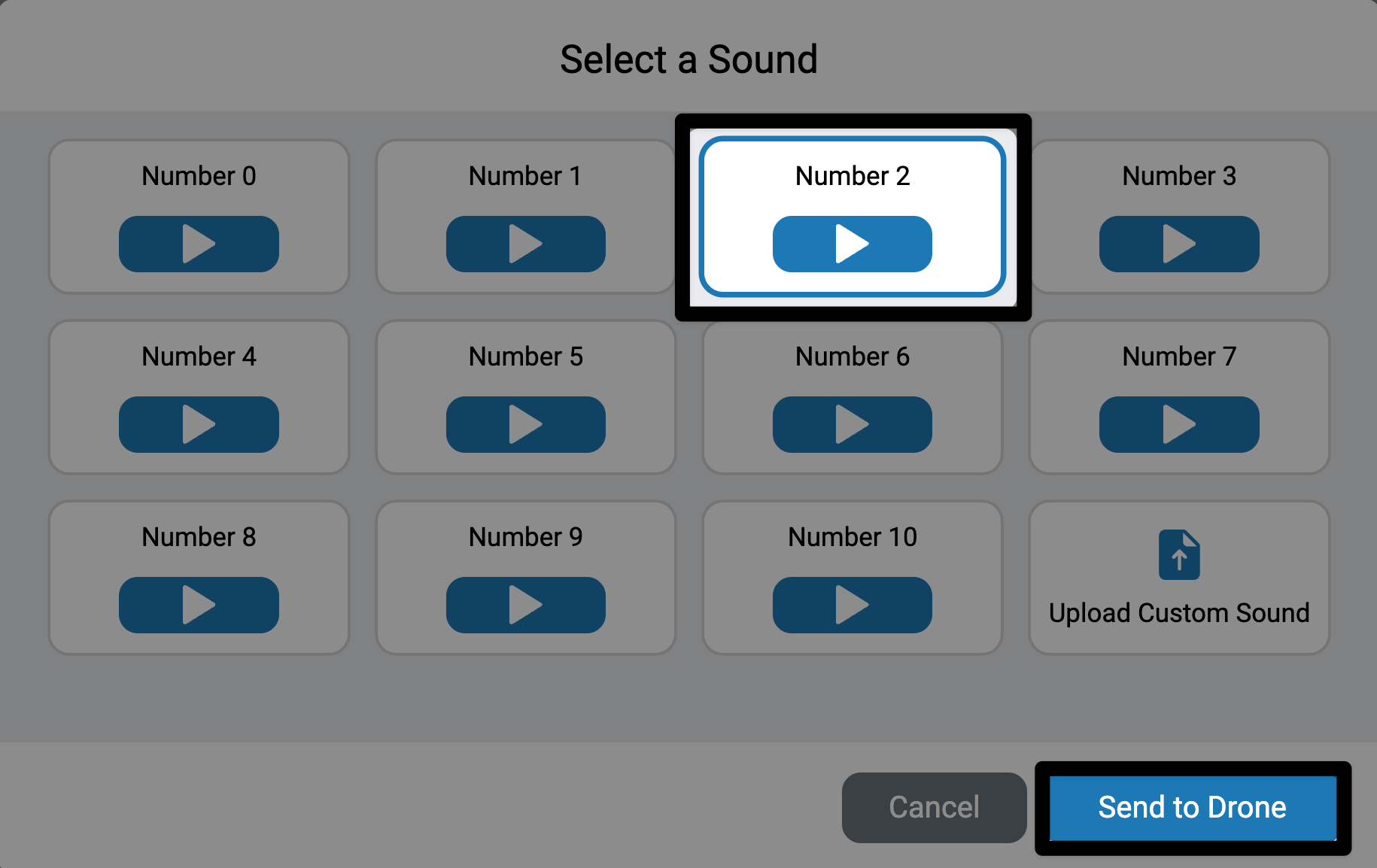
Aparecerá el Selector de sonido. Seleccione cualquier sonido precargado antes de seleccionar Enviar a Drone.
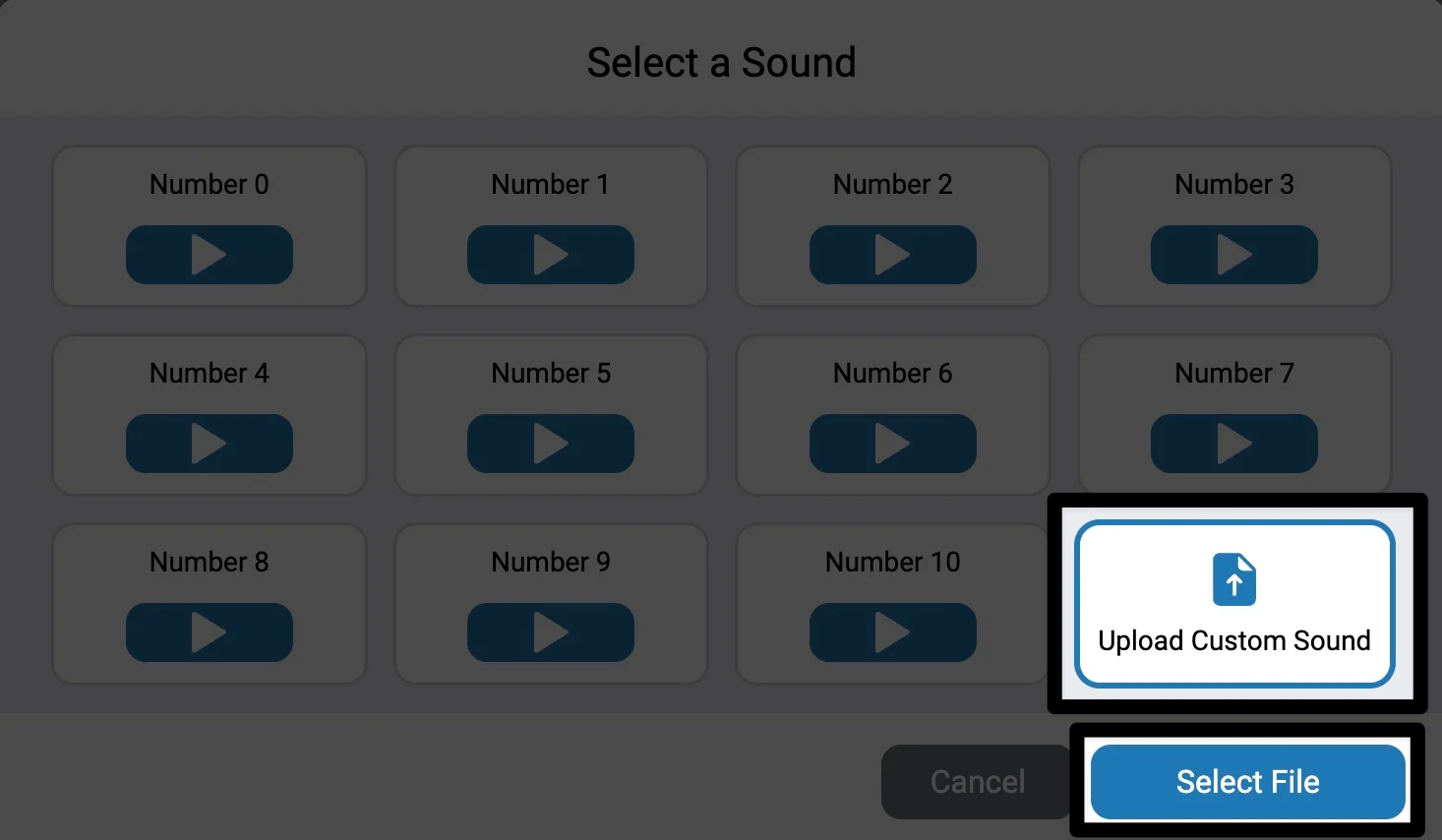
Para subir un sonido personalizado, seleccione Subir sonido personalizado antes de seleccionar Seleccionar archivo para abrir el explorador de archivos de su dispositivo.
Nota: Los archivos de audio deben ser MP3 y tener un tamaño inferior a 1 MB.
El sonido ya está disponible.#
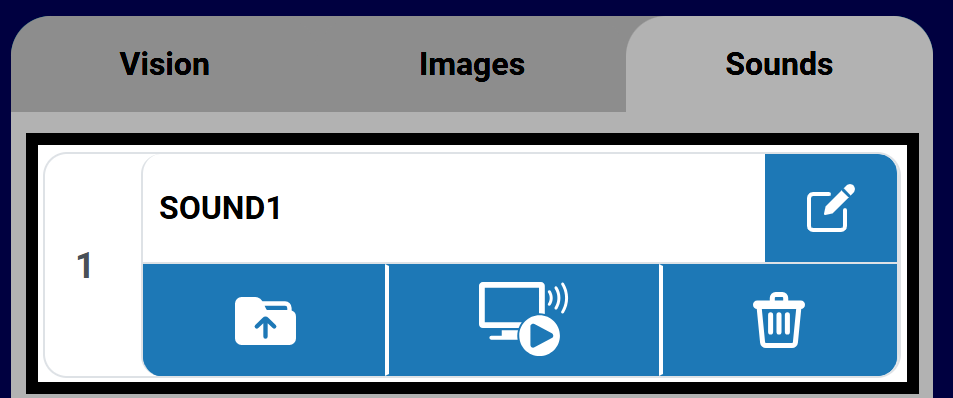
El sonido se subirá y aparecerá en la ranura seleccionada. Por defecto, los sonidos se denominarán SONIDO1 y el número coincidirá con la ranura en la que se suban.
Los botones en la ranura del sonido subido se activan una vez que se carga un archivo de sonido. Estos botones permiten sobrescribir, previsualizar, eliminar o renombrar el archivo de sonido subido.
Puedes usar el sonido personalizado en un proyecto usando los siguientes comandos en la categoría Sonido para Bloques o Python:
[Select your sound from the dropdown.]
reproducir archivo de sonido [SOUND1 v] ▶
# Change SOUND1 to the name of your sound
controller.sound.play_file(SOUND1)
Cambiar el nombre de un archivo de sonido#
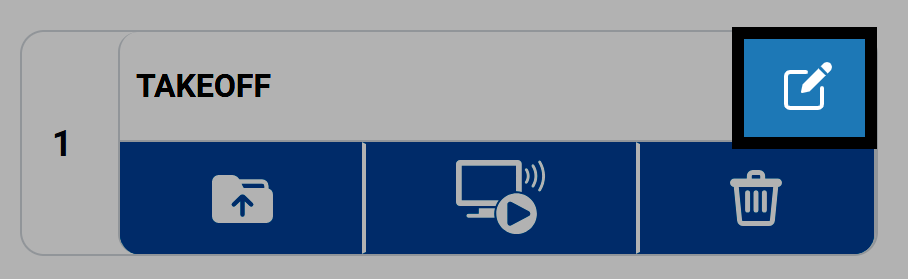
Selecciona el icono del lápiz para cambiar el nombre del sonido. Este será el nombre que tendrá el archivo de sonido en tus proyectos.
Nota: Los nombres no pueden comenzar con un número y no deben tener más de 14 caracteres.
Previsualiza un archivo de sonido#
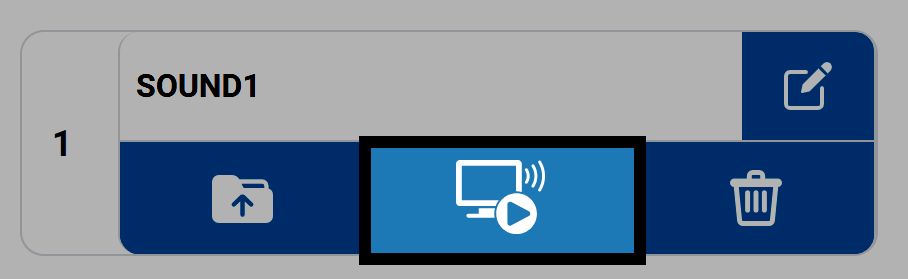
Seleccione el ícono Computadora para escuchar el sonido en su dispositivo.
Eliminar un archivo de sonido#
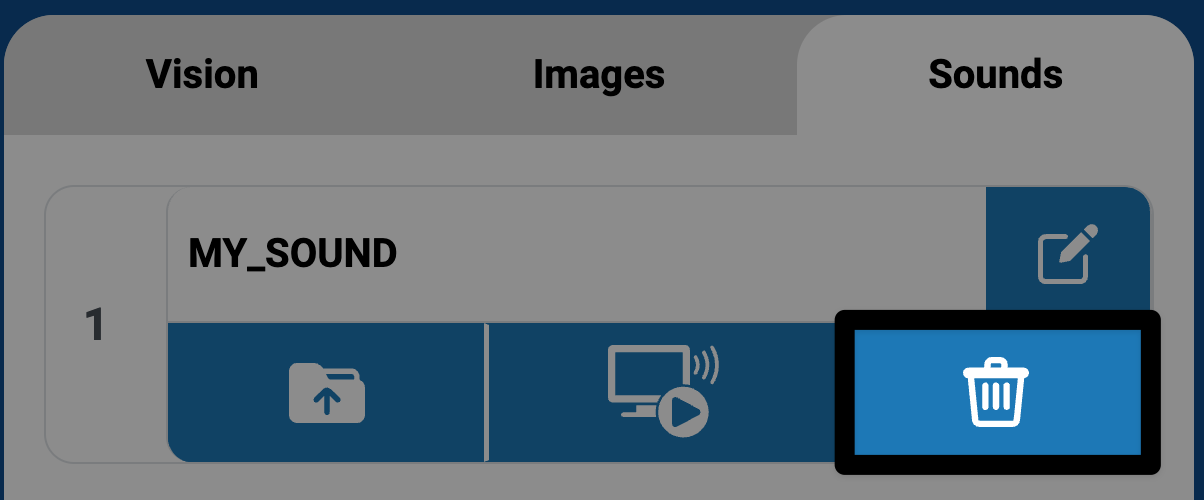
Seleccione el ícono Papelera para eliminar un archivo de sonido de una ranura.
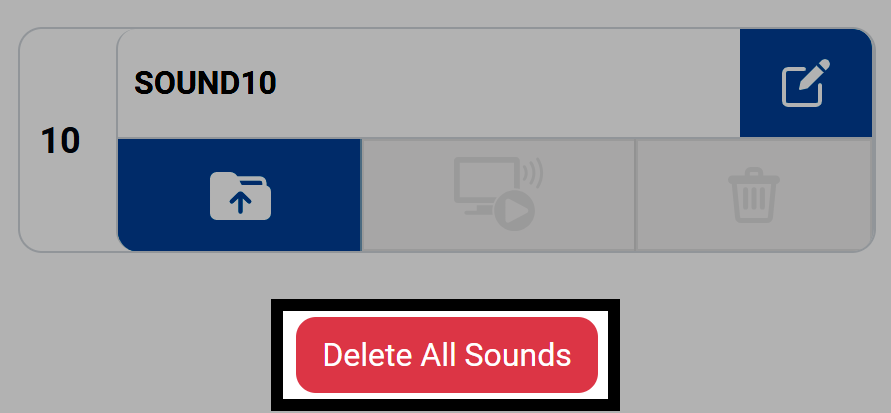
Para eliminar todos los sonidos a la vez, seleccione el botón Eliminar todos los sonidos que se encuentra en la parte inferior de la pestaña Sonidos.